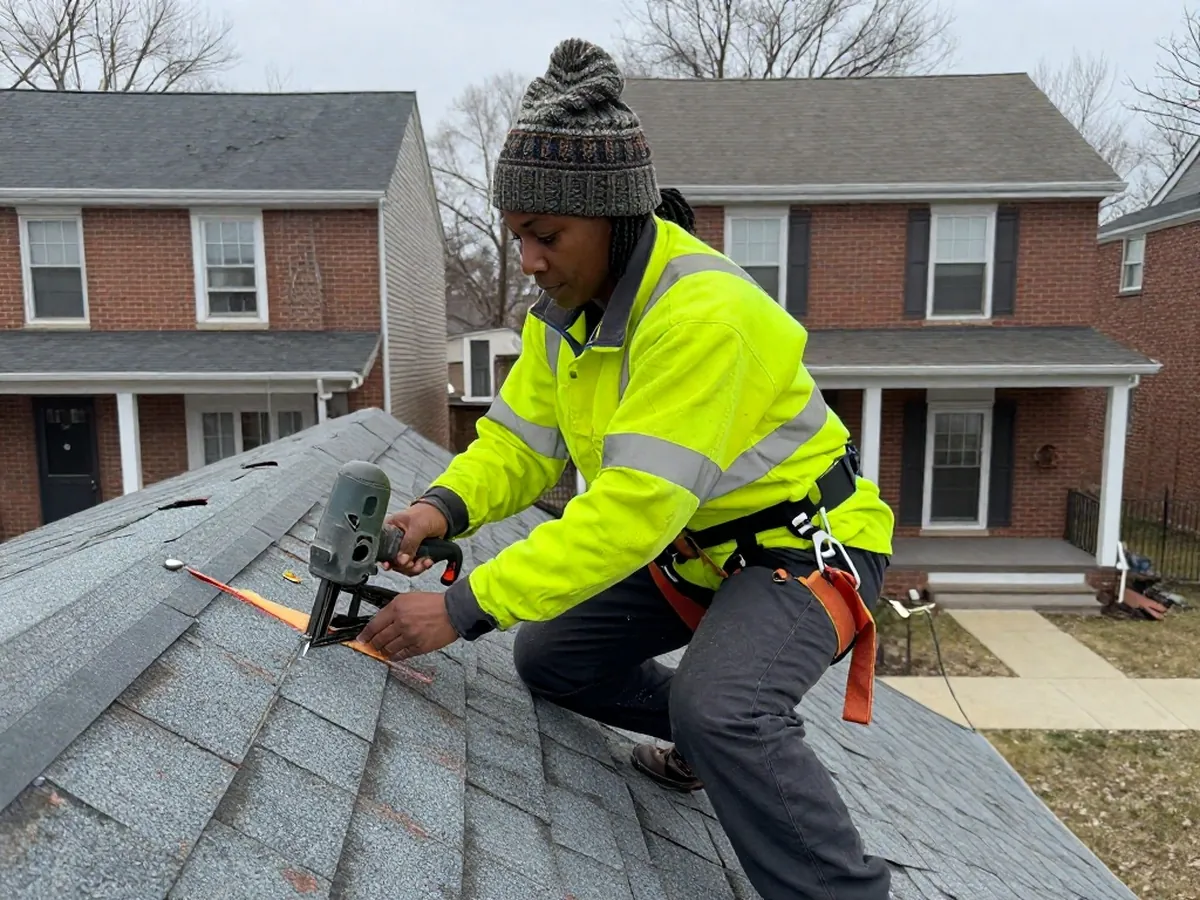
Roof trouble, from Lyndhurst to Nutley and Secaucus
Leaks, lifted shingles and storm damage on roofs in Lyndhurst, Nutley and Secaucus. Call (551) 209-3947 and say what you see from the ground; a local roofing contractor can arrange a look.
- Leaks and repairs
- Storm damage
- Flat roofs and gutters
- Ice dams and flashing
- Lyndhurst, Nutley, Secaucus
Roofs of the three towns, up close
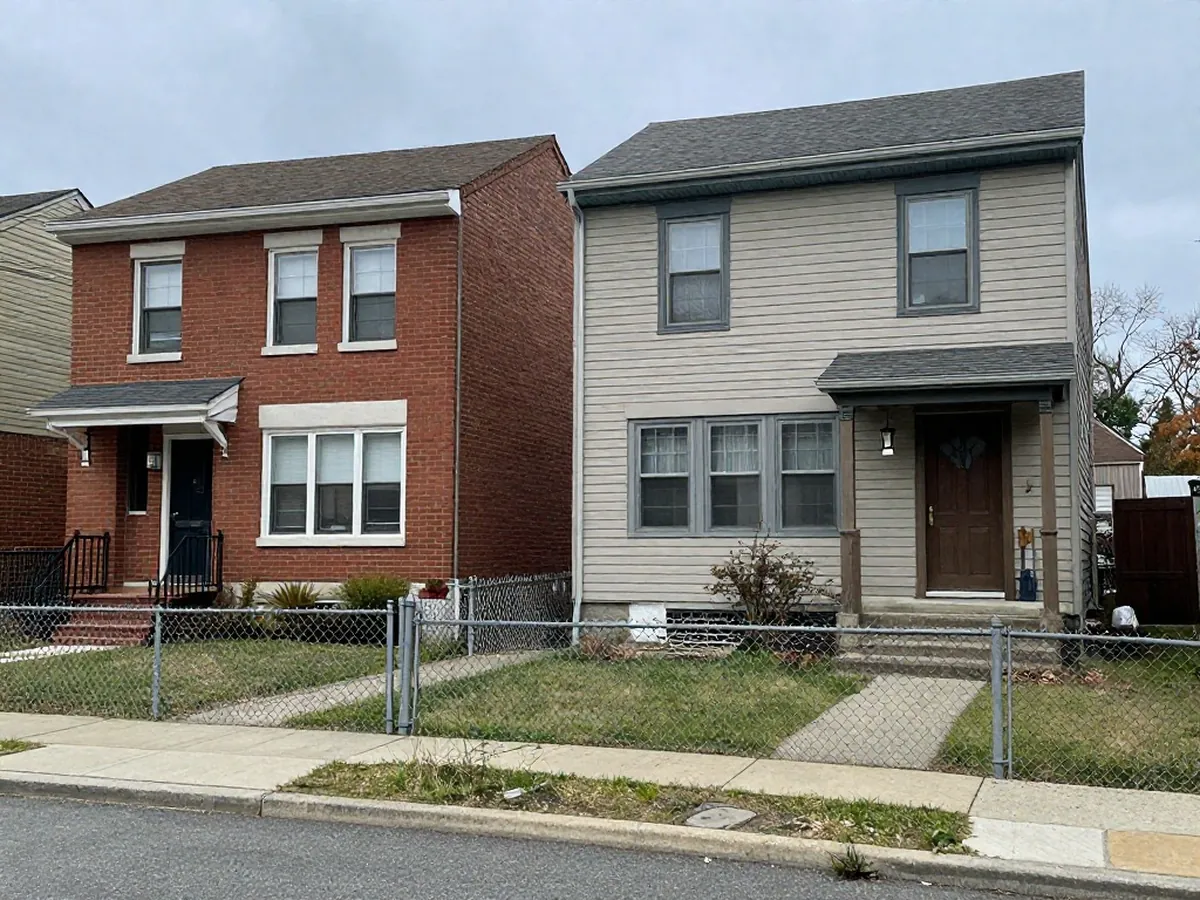
Two-family houses on a Lyndhurst block. Census estimates count 2,884 of the township's 9,704 homes in two-unit buildings, which often means a single roof over two households. 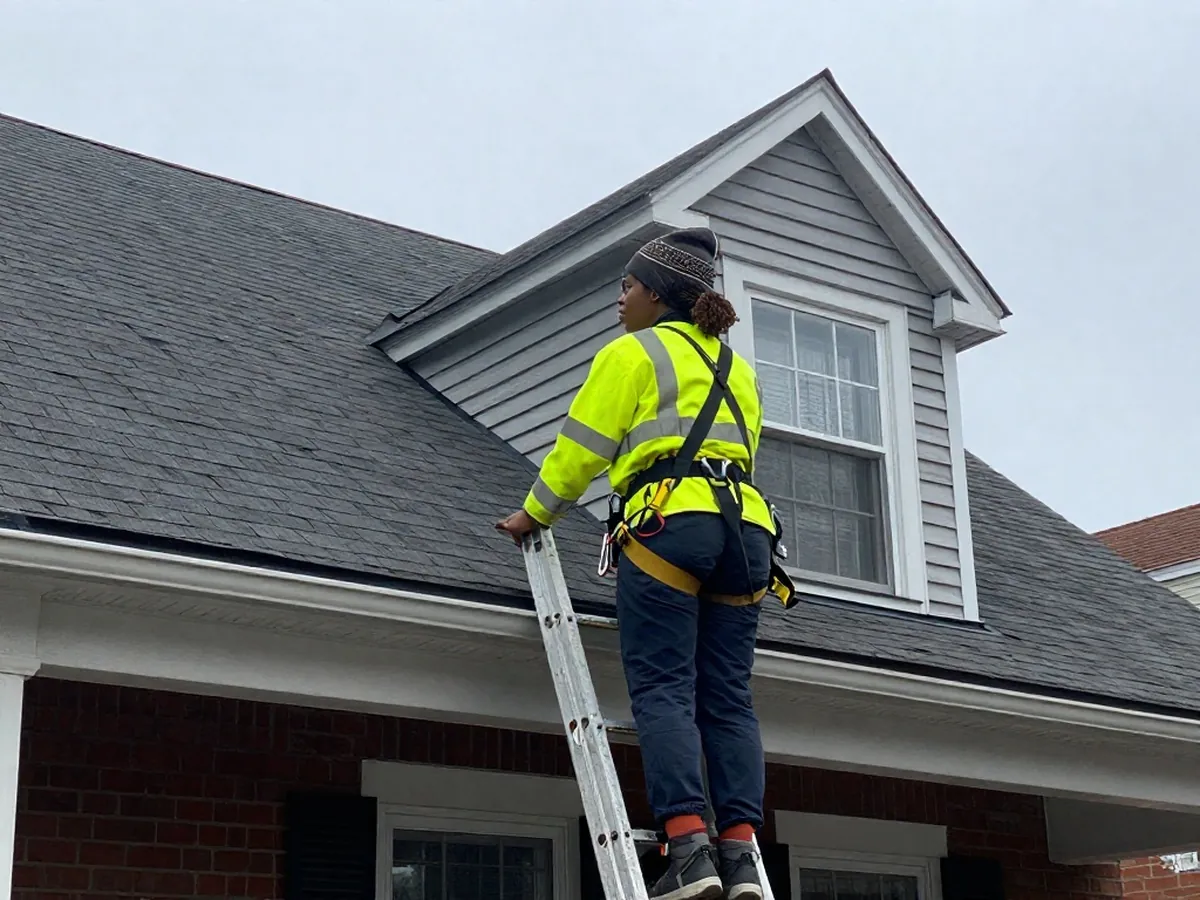
The first look at a dormer happens where the siding meets the shingles, the joint a roofer checks before anything else. 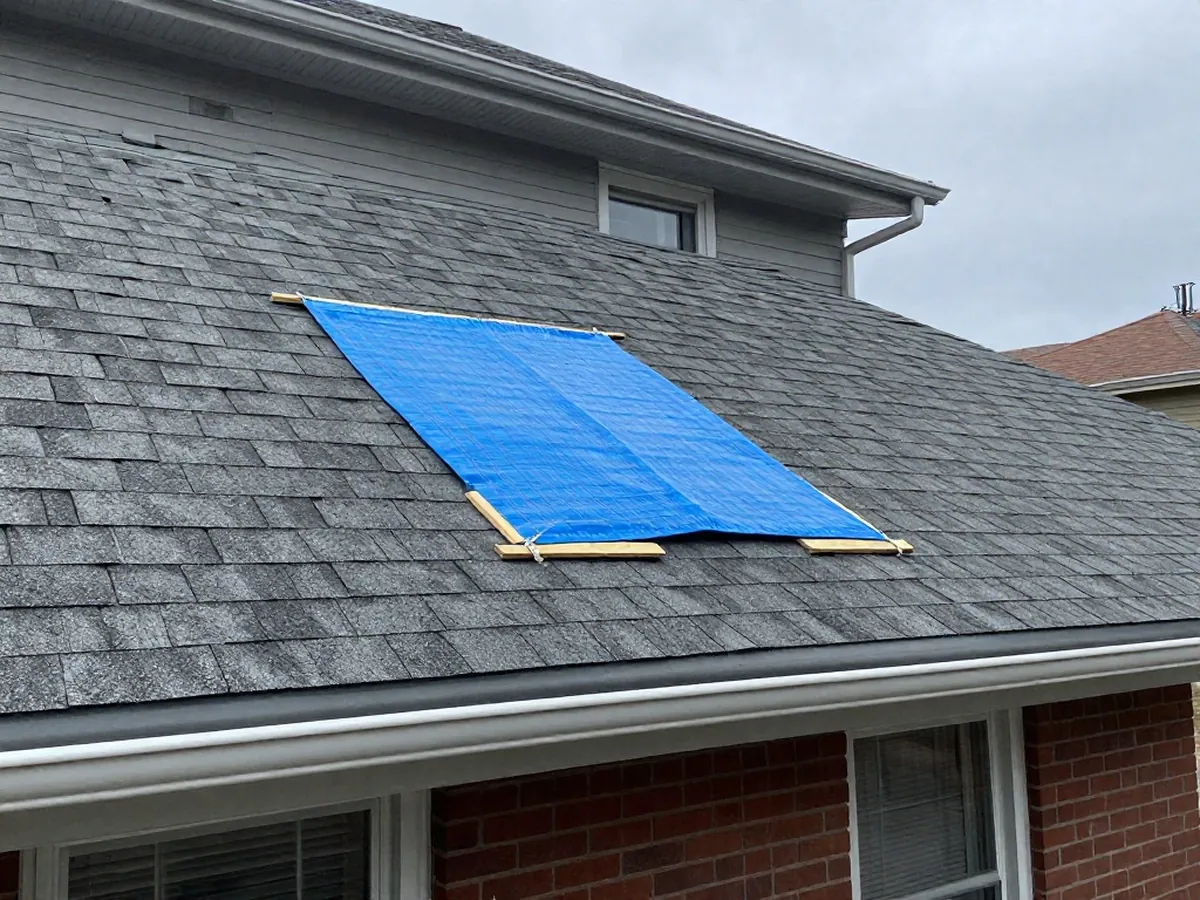
A small tarp pinned flat above the gutter. It buys time, and the repair underneath is a separate job. 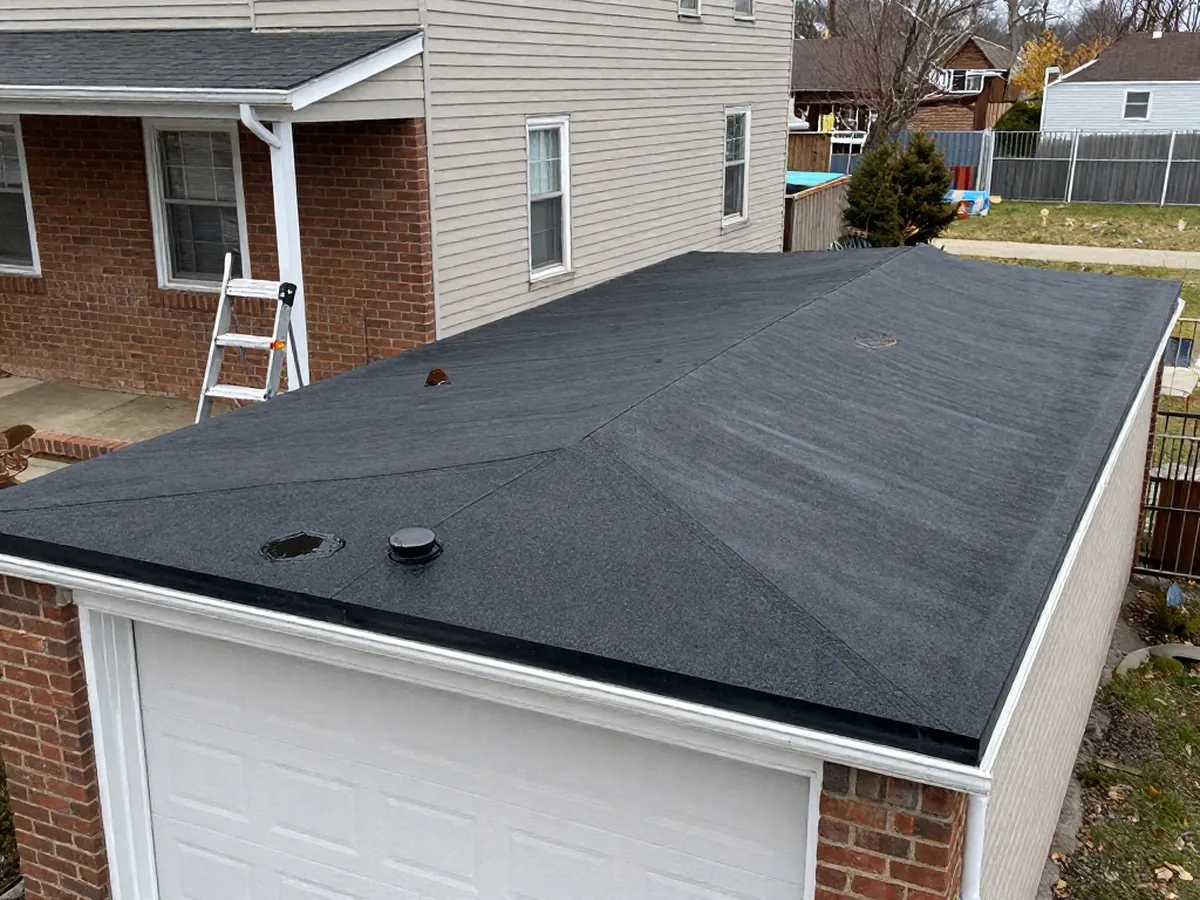
A garage roof with a single seam and a round drain. Low-slope roofs have a page of their own. 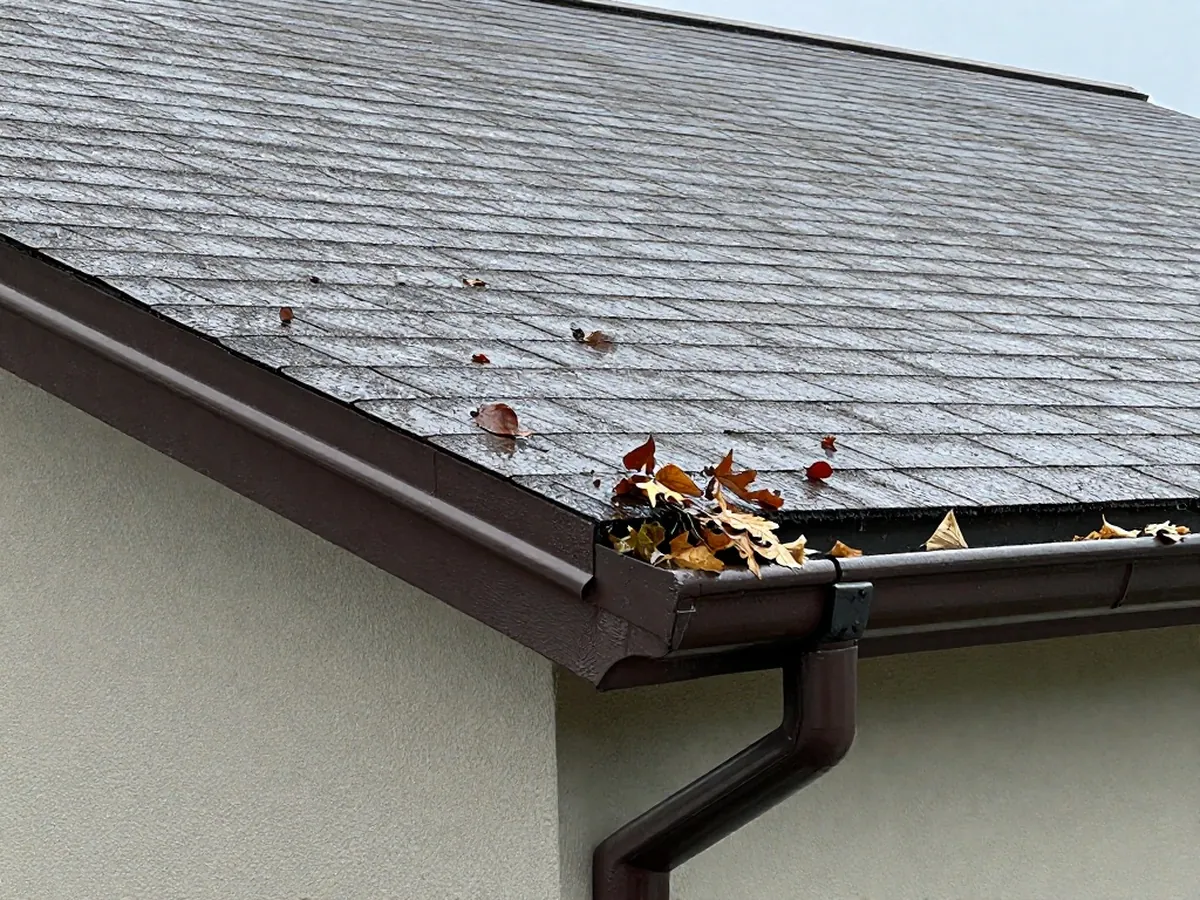
Leaves piled at a roof corner after rain, the kind of spot that makes a gutter spill over its front edge. 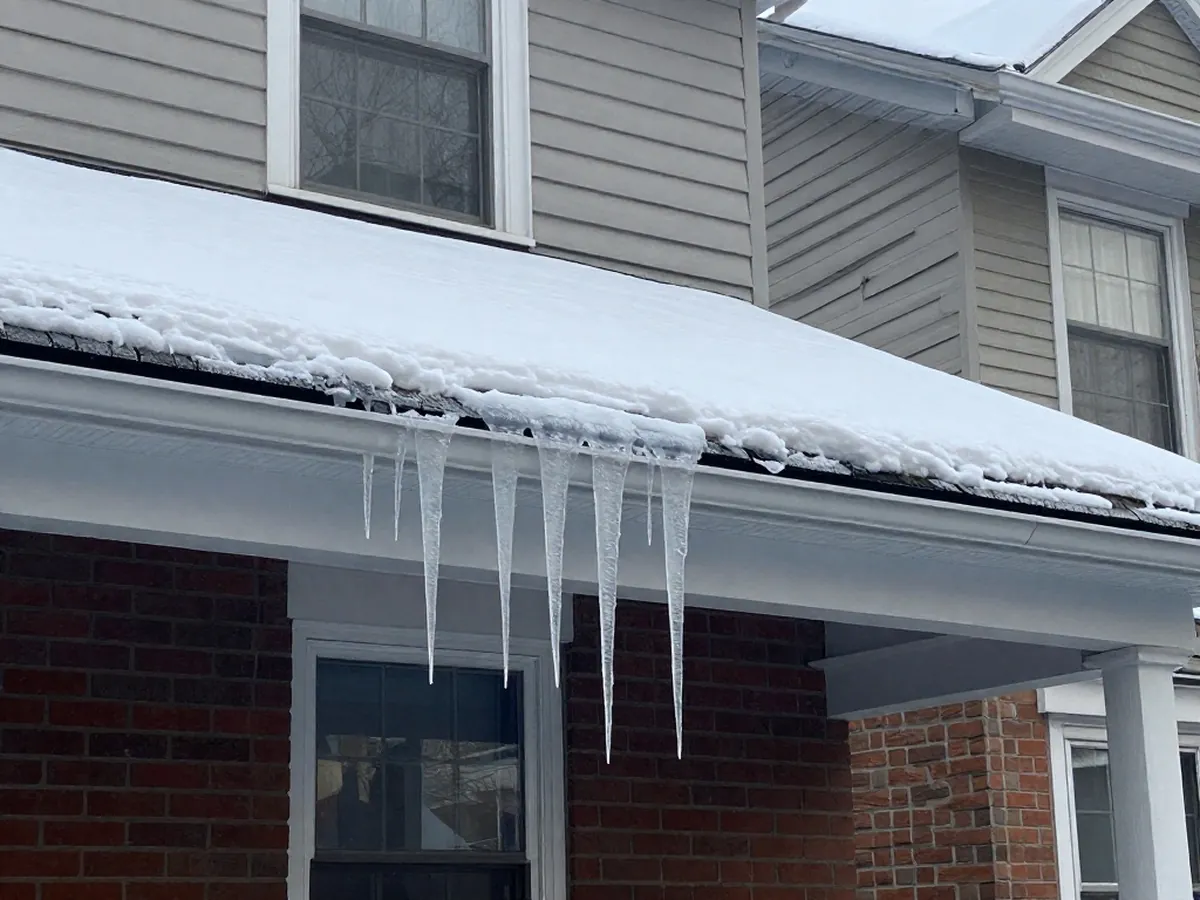
Ice built up along the eave over the gutter, icicles hanging in a row, the winter picture behind many ceiling stains.
What follows a phone call
You describe the roof
Give the address, describe what is visible from the ground, name the room with the stain and offer a guess at the roof's age. Photos help, and a rough answer is fine.
The call reaches a local roofer
The contractor who takes these calls works Lyndhurst, Nutley and Secaucus, and decides whether the next step is a visit.
A look at the roof
When a visit makes sense, the roofer examines the slopes, the flashing and the gutters, then explains in plain words what is there and what the options are.
What to ask for on paper
Before any work goes ahead, ask for the scope, the price and the dates in writing. The hiring checklist lists the items.
Three towns, three kinds of roof
Lyndhurst
Housing here is older than the newest streets suggest: Census estimates put 2,957 of the township's 9,704 homes in buildings from 1939 or earlier, with a median year built of 1956. Public works counts 990 catch basins, 180 of them county-owned and 45 state-owned, which gives the street end of every downspout somewhere to go. See roofing in Lyndhurst.
Nutley
Older again: a median year built of 1953, and 3,840 of 12,253 homes from 1939 or earlier. Roughly seven in ten occupied homes are lived in by their owners, 8,364 of 11,901. After Ida, the township announced a $580,000 project to clear the Mud Hole in Memorial Park, with FEMA reimbursement, for work starting in November 2024. See roofing in Nutley.
Secaucus
A different mix: median year built 1981, and 3,221 of 9,286 homes in buildings of 50 or more units, so a large share of the town sits under roofs shared by many households. Detached houses number 2,200 and two-unit buildings 1,341. See roofing in Secaucus.
Four seasons on a Teterboro-area roof
December to February
Teterboro's normals swing from a 44.9 degree high in December to a 25.7 degree low in January, so roofs live through freezes and thaws. That swing sets up ice at the eaves.
March to May
Monthly rain normals run 4.09 inches in March, 3.97 in April and 3.94 in May. Spring is the time to look from the ground at what winter did to shingles and gutters.
June to August
July's normal high is 87.0 degrees and its rain 4.45 inches. Isaias, a tropical storm on 4 August 2020, knocked out electric service for upwards of a million New Jersey customers, a few of them for as long as five days.
September to November
September averages 4.11 inches. The remnants of Ida arrived on 1 September 2021. Fallen leaves reach the gutters next, and Secaucus runs leaf pickup every Wednesday from 1 September through 31 December.
The pump station at Tontine and Riverside
Lyndhurst's public works page describes storm water pump station number 4 at Tontine Avenue and Riverside Avenue. It has been raised, it has a backup generator, and it can move 36,000 gallons a minute during heavy rain. All of the township's pump stations were rebuilt and finished in 2013.
Water from a roof reaches stations like that one by way of gutters, downspouts and street drains. A roofer's job ends at the bottom of the downspout. For a street drain that backs up, the public works office takes work-order calls at 201-438-5478 on weekdays, from eight in the morning to four in the afternoon.
- Roof
- Gutter
- Downspout
- Street drain
- Pump station 4
Say what you see, and take it from there
Call (551) 209-3947 and tell the story of the roof in plain words: where the stain is, what blew off, how long it has been going on. Keep the street address and a photo or two nearby. Call (551) 209-3947 to check availability for your block in Lyndhurst, Nutley or Secaucus.
Owners and landlords make the call about roof work. Tenants can pass their photos to whoever owns the building.
Match what you see to a job
A brown patch on the ceiling
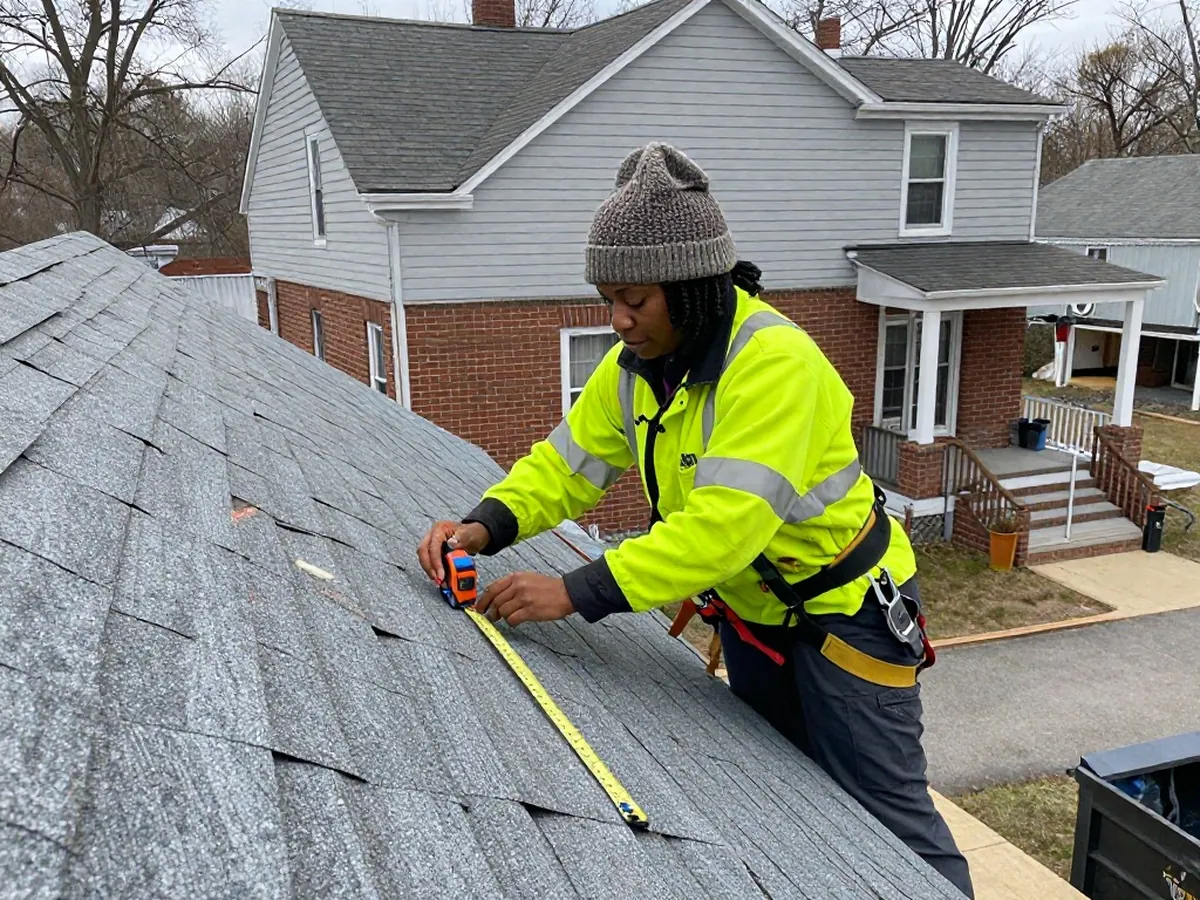
Leaks under more than one slope
Limbs or shingles in the yard after wind
A roof of unknown age, or a house sale coming
A puddle on a garage roof
Water pouring over the front of the gutter
Icicles, then a stain after a thaw
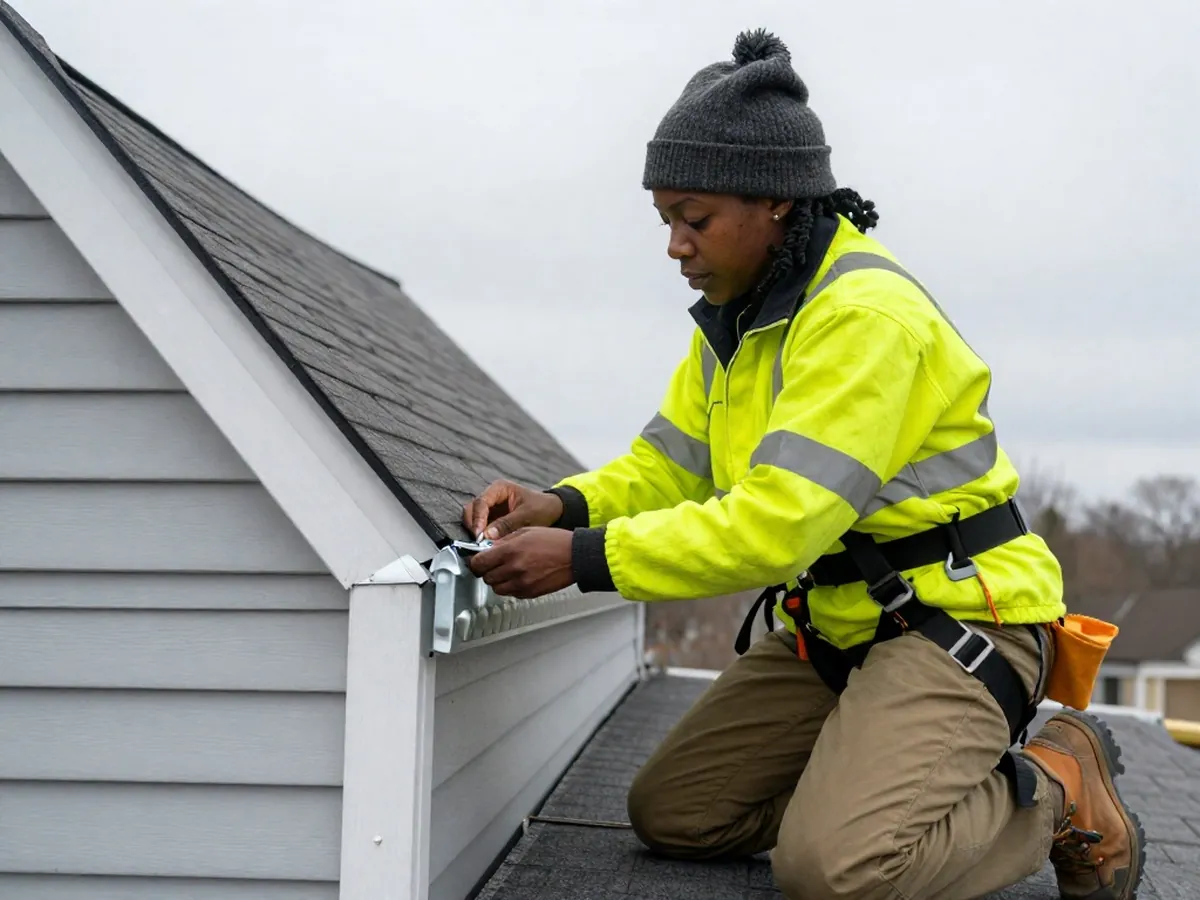
A stain beside a chimney or dormer